Why Ongoing Termite Control Matters for Homeowners
Ongoing termite management is often overlooked in routine home maintenance, yet it plays a critical role in preventing long-term structural damage and costly repairs. Many homeowners assume a single treatment will provide lasting protection, but termite activity can return when environmental conditions remain favorable or when new entry points develop over time. Without consistent monitoring and upkeep, small vulnerabilities in wood, soil contact areas, or moisture-prone spaces can gradually develop into active infestations. These issues often go unnoticed until damage becomes extensive and expensive to correct. This is where termite control becomes an essential part of responsible home care rather than a one-time service. Understanding how these pests behave and why they persist helps homeowners make more informed, proactive decisions. This article explains why long-term attention is necessary and how to stay ahead of hidden risks before they escalate.
Understanding Termite Behavior and Identifying Infestations
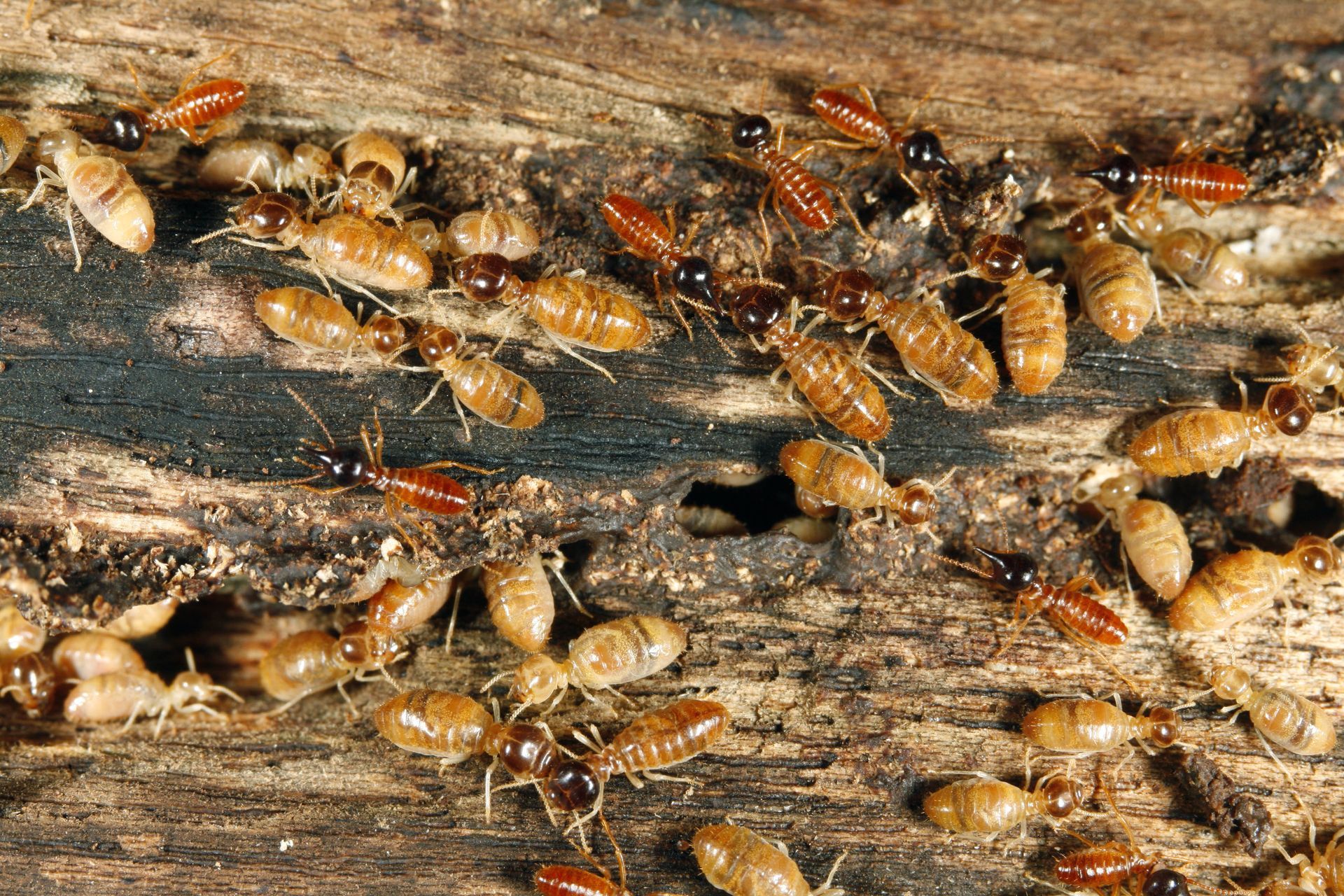
Termites operate in highly organized colonies, which makes them difficult to detect until damage is already underway. Their ability to stay hidden while feeding on wood structures allows them to spread without immediate signs. Effective termite control starts with understanding how these colonies function and why they prioritize structural materials inside homes. Once inside, they can remain active for long periods without detection.
Different species also influence how infestations develop and spread throughout a property. Subterranean termites build underground networks, while drywood termites live directly inside wooden components. Recognizing these patterns helps homeowners identify where problems are most likely to begin. Early awareness is key to preventing widespread damage that often goes unnoticed.
Regular monitoring of common entry points such as crawl spaces, basements, and foundation edges helps reduce long-term risks. Homeowners who stay proactive are more likely to catch issues before they escalate. Consistent inspection routines support stronger protection strategies overall.
Detecting Early Warning Signs and Damage Spotting
Spotting early indicators of termite activity is one of the most effective ways to limit structural harm. Signs such as hollow-sounding wood, discarded wings, or mud tubes often point to hidden activity. Strong termite control depends on recognizing these signals before significant damage occurs. Many homeowners overlook these subtle warnings until repairs become unavoidable.
Surface-level changes like bubbling paint or warped flooring can also suggest deeper structural issues. These signs may seem minor at first but often indicate internal deterioration. Paying attention to small shifts in wood or drywall condition helps prevent larger repair needs later on.
Routine visual checks around windows, doors, and wooden fixtures can make a major difference in early detection. Consistency matters more than intensity when it comes to spotting problems early. A simple monthly walkthrough can significantly reduce long-term risk exposure.
Evaluating Structural Risks and Long Term Weakening
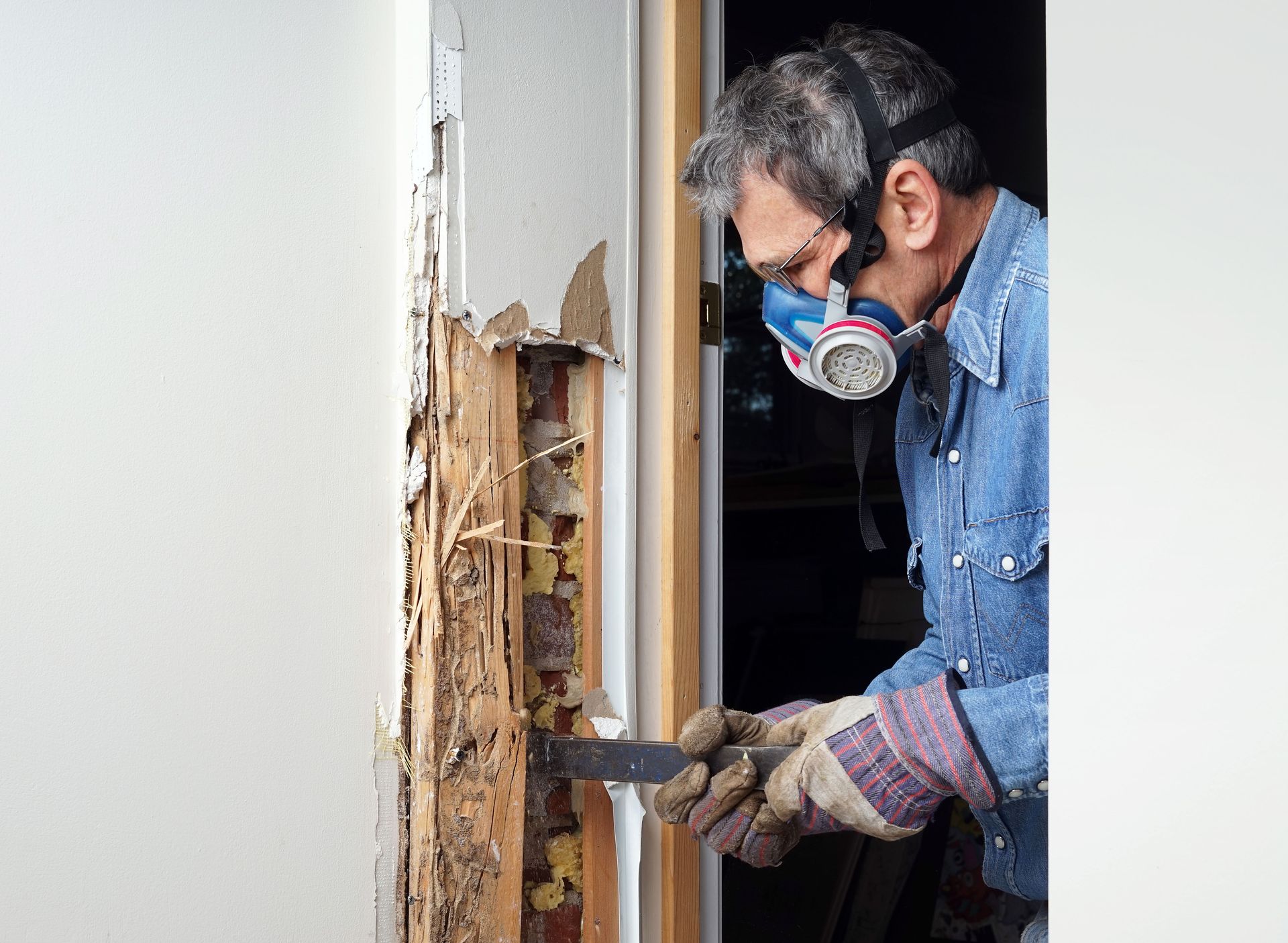
Termites gradually weaken a home’s structural framework by feeding on load-bearing wood components. Over time, this can compromise beams, flooring systems, and foundational stability. Strong termite control practices help reduce the likelihood of these slow but serious failures. The damage often develops silently, making it more dangerous than many other household issues.
As infestations expand, the structural integrity of key areas begins to decline. Floors may sag, walls may crack, and ceilings can lose stability. These changes do not happen overnight, but they progress steadily when left untreated. Homeowners often underestimate how quickly deterioration can spread once it begins.
Long-term exposure also increases repair complexity and overall restoration costs. Addressing issues early is far more efficient than rebuilding damaged sections later. Preventive attention remains the most reliable way to maintain a safe living environment.
Reducing Health Concerns and Indoor Hazards
Although termites do not directly transmit disease, their presence can contribute to secondary health risks inside the home. Moisture buildup from damaged wood can lead to mold growth, which impacts indoor air quality. Effective termite control helps reduce these environmental conditions that support allergens and respiratory irritants.
Infestations can also attract other pests that pose additional health concerns. Rodents and insects often follow areas of structural weakness, creating a cycle of contamination risks. Keeping termite activity under control reduces the likelihood of these secondary problems developing.
Structural weakening also creates physical safety hazards for occupants. Unstable flooring or damaged staircases increase the risk of injury. Maintaining a stable home structure supports both safety and comfort for everyone living inside.
Managing Financial Losses and Repair Planning
The financial impact of termite damage is often far greater than homeowners expect. Repairs may involve replacing entire sections of wood framing, flooring, or structural supports. Consistent termite control helps reduce the likelihood of these major expenses by preventing damage before it spreads. Insurance policies also frequently exclude termite-related repairs, increasing out-of-pocket costs.
Unplanned repairs can place significant strain on household budgets. When damage is discovered late, restoration work becomes more extensive and expensive. Planning ahead through regular inspections helps distribute maintenance costs more predictably over time.
Home value can also decline when termite history is present. Buyers often view past infestations as a long-term risk, even if the issue has been addressed. Maintaining prevention efforts protects both current equity and future resale potential.
Applying Preventive Barriers and Treatment Scheduling
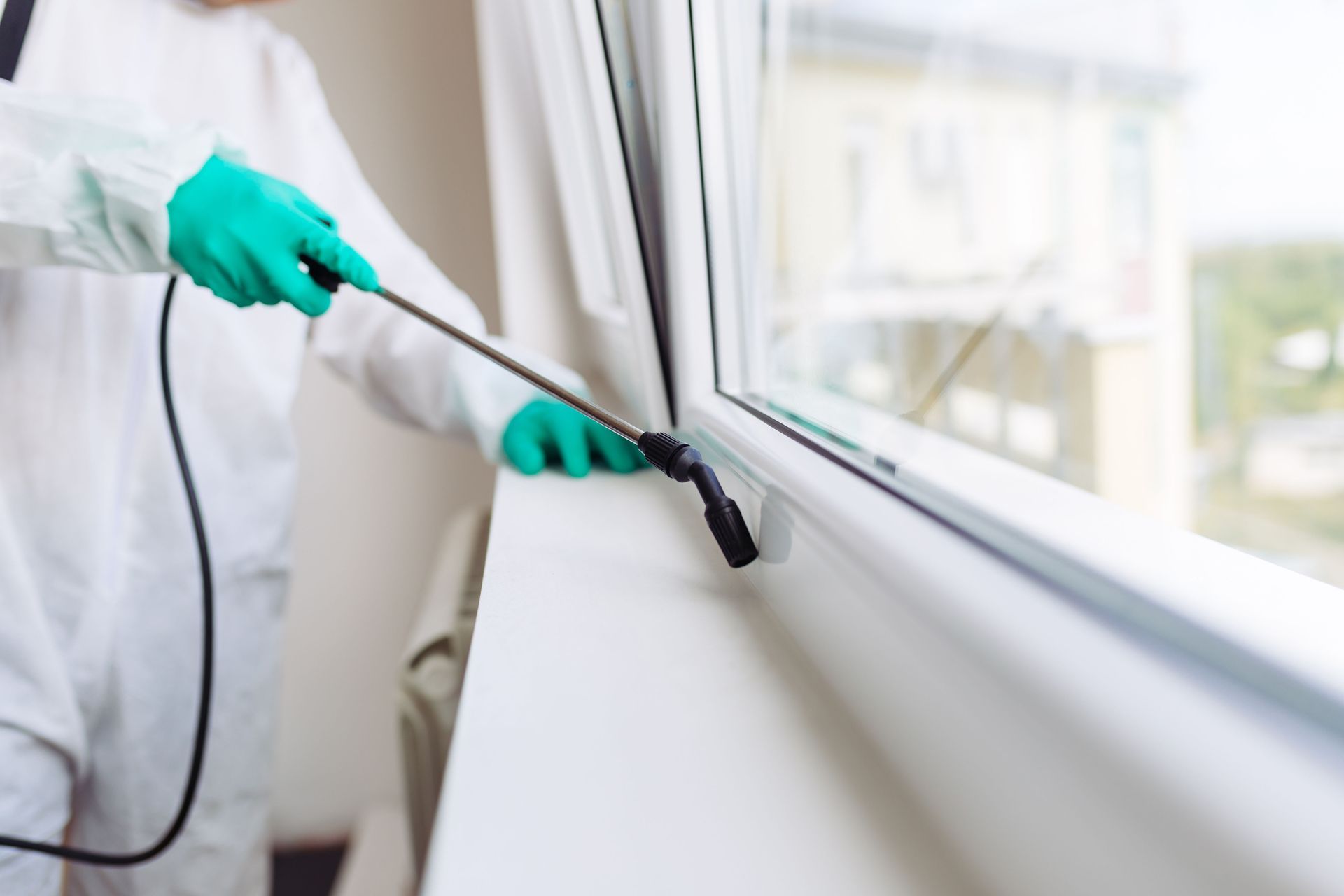
Preventive treatments such as soil barriers and baiting systems provide an important line of defense against termite entry. These systems are designed to stop infestations before they reach structural wood. Strong termite control strategies often combine multiple treatment methods for broader protection coverage. Each method works best when maintained on a consistent schedule.
Chemical barriers can remain effective for several years depending on environmental conditions and application quality. According to HomeGuide, termite treatments generally last between 5 to 10 years, though effectiveness varies based on treatment type, home condition, and location factors. Regular follow-up inspections ensure these protections continue to perform as intended.
Scheduled maintenance helps identify when reapplication or adjustments are needed. This prevents gaps in protection that termites could exploit. A structured treatment plan provides long-term peace of mind and stability.
Strengthening Long Term Protection and Maintenance Planning
Long-term protection requires combining inspections, treatments, and homeowner awareness into one consistent system. No single method is enough without ongoing evaluation and maintenance. Effective termite control depends on staying proactive rather than reactive. This approach ensures that small issues never become large-scale infestations.
Seasonal inspections help identify environmental changes that may increase risk levels. Shifts in moisture, temperature, and soil conditions can all influence termite activity. Staying ahead of these changes improves overall prevention success.
A long-term mindset toward maintenance also helps protect property value and structural safety. Homes that follow consistent care routines experience fewer emergency repairs and reduced risk exposure. Preventive planning remains the strongest defense against future infestations.
Ongoing termite management is a necessary part of protecting both the structural integrity and long-term value of a home. When left unchecked, termite activity can quietly compromise key support systems such as framing, flooring, and foundation-adjacent wood, leading to extensive and costly repairs over time. With consistent attention, routine inspections, and early detection, homeowners can identify risks before they develop into major infestations. This proactive approach reduces the likelihood of sudden repair expenses while helping maintain a safer and more stable living environment. It also supports long-term financial stability by preserving property value and minimizing avoidable damage. A structured prevention strategy ensures issues are addressed early rather than after significant deterioration has already occurred. Contact JD Smith Termite & Pest Control!
Share On: