Can One Termite Treatment Stop an Entire Colony?
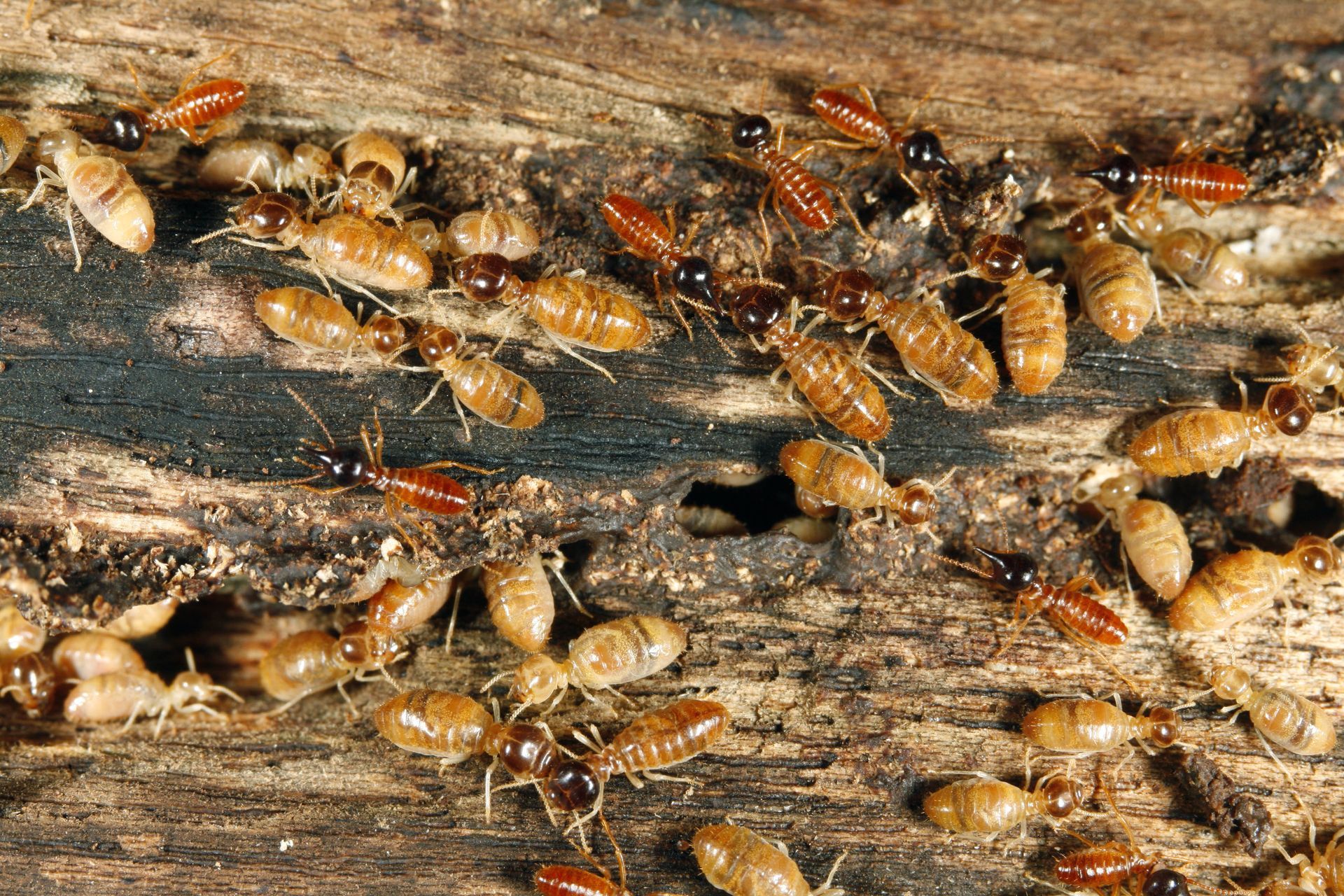
Termites are one of the most destructive pests when it comes to property and structural integrity. Infestations pose significant challenges to homeowners, as these pests can quickly multiply and establish extensive colonies within wooden structures. The quest to eradicate an entire termite colony with a single treatment has intrigued pest control professionals and researchers alike. While advancements in treatment methods have shown promise, understanding the full scope of termite behavior and the efficacy of termite treatments is crucial. Let's delve into the intricacies of termite colonies and the potential of a one-and-done treatment approach.
The Efficacy of Single Treatments
Immediate Effects
The immediacy of results is a critical factor in assessing the effectiveness of termite treatments. Chemical treatments, particularly fumigation, can deliver swift impacts by killing off exposed colonies almost immediately. However, the full eradication of a colony often depends on whether treatments can penetrate all nest areas. According to HomeGuide, termite treatments typically require 30 to 45 minutes when addressing a single area of a home or property, underscoring the need for precise and comprehensive application. The initial knockdown effect is crucial in reducing visible pest populations, but it's only a piece of the long-term solution.
One important consideration when evaluating immediate treatment effects is the location of the termite colony itself. Even when large numbers of termites are eliminated quickly, hidden satellite colonies or termites located deep within wall voids, crawl spaces, or underground tunnels may survive the initial application. This is why professional pest control companies often pair rapid-response methods with detailed inspections to determine whether additional treatment areas require attention. Fast visible results can provide homeowners with reassurance, but complete colony elimination depends on reaching every active section of the infestation and interrupting the termites' ability to reproduce and spread.
Long-Term Control
Achieving long-term termite control requires addressing not just current activity but also future infestation risks. Baiting systems and ongoing chemical barriers offer sustainable solutions by continuously targeting termite populations over extended periods. For permanent results, treatments should aim to disrupt reproductive cycles and maintain deterrence against new colonies establishing. Continuous surveillance and follow-ups are vital, ensuring treatments remain active and conditions are unfavorable to termite survival. Successful long-term control often results from combining immediate action with preventive measures, steering efforts towards maintaining protection beyond initial applications.
Variables Affecting Success
Several factors can influence the success of a single termite treatment, including the type of termite and environmental conditions. Some termite species exhibit resistance to certain treatments, requiring alternative approaches. Environmental variables, like humidity and temperature, can also affect treatment outcomes, particularly for chemical and bait systems. Moreover, the complexity of infestation levels and the inaccessibility of colonies can complicate effective applications of termite treatments. Understanding and adjusting for these variables is key to enhancing the efficacy of single treatments, often necessitating expert evaluation and tailored solutions.
Challenges in Eradicating Entire Colonies
Detection Issues
Detecting termite activity poses significant challenges due to the pests' subterranean nature and hidden nesting habits. Signs of infestation can be subtle, often going unnoticed until substantial damage occurs. Technological advancements, such as thermal imaging and acoustic detection tools, have improved the accuracy of termite identification. However, the full extent of a colony might still go unrecognized, complicating targeted termite treatments. Accurate detection is a precursor to successful intervention, emphasizing the importance of professional inspections to identify and assess hidden termite networks.
Resistant Species
Termite species resistant to certain termite treatments can undermine eradication efforts, necessitating alternative approaches. In some cases, adaptation among termite populations can gradually reduce the effectiveness of chemical treatments. Persistent infestations often require innovative solutions, including new formulations or combined treatment strategies. Ongoing research into termite biology and resistance patterns aids in developing countermeasures capable of overcoming these obstacles. Addressing resistant species requires adaptability in treatment approaches, with pest control experts continually updating strategies in response to evolutionary changes.
Environmental Factors
Environmental factors significantly impact the success of termite treatment efforts, influencing both application and potency. Climate conditions such as temperature and humidity levels can alter treatment efficacy, affecting chemical dispersal and bait effectiveness. Geographical considerations, such as urban versus rural settings, also necessitate varied approaches due to different environmental pressures and termite behaviors. Moreover, structural variables, including building design and materials, require customized methods to reach termites. Tailoring treatments to environment-specific challenges ensures better intervention success, highlighting the nuanced approach required in effective pest management.
Human Error in Application
Failures in termite treatment often arise from human error, such as incorrect application techniques or improper equipment use. Misjudging the severity of an infestation might lead to insufficient treatment application or miscalculations in the coverage area. Additionally, inexperience or lack of knowledge regarding specific termite behaviors can complicate efforts, resulting in underperformance of applied methods. Professional training and adherence to industry standards are essential in minimizing these errors, ensuring effective treatment results. Comprehensive oversight and quality control in application processes improve the likelihood of successful, long-lasting termite management.
Inaccessibility of Nesting Sites
Accessing all parts of a termite infestation poses practical challenges due to the insects' nesting habits. Structures with intricate designs or those partially underground complicate treatment thoroughness, often leaving parts of the colony untouched. Hidden colonies within hard-to-reach places necessitate innovative methods, such as foaming agents or specialized delivery systems, to adequately reach and eliminate them. Addressing these obstacles requires careful site evaluations and customized solutions capable of penetrating and targeting isolated breeding grounds. Successfully overcoming access limitations is crucial to achieving effective and comprehensive termite eradication.
Choosing the Right Treatment Plan
Evaluating Infestation Levels
Identifying the severity of a termite infestation is the first step in developing an effective treatment plan. Thorough inspections, typically performed by professionals, can assess the extent of colony spread and damage. This assessment is crucial in selecting the most appropriate treatment method, whether chemical, physical, or a combination. A comprehensive evaluation guides the application process, ensuring treatments are strategically targeted and resources are optimally allocated. Accurate infestation evaluation lays the groundwork for successful eradication, minimizing unnecessary costs and efforts in pest management.
Consulting With Professionals
Professional consultation provides critical insights and expertise essential for selecting an effective plan for termite treatments. Pest control specialists possess knowledge of the latest treatment technologies, regulatory requirements, and best practices for addressing termite issues. Collaboration with professionals ensures access to customized solutions tailored to specific infestation challenges and environmental contexts. Experts can recommend appropriate treatment combinations, balancing efficacy with safety and sustainability considerations. Engaging professionals in the decision-making process enhances the probability of success while safeguarding property and environmental health.
Follow-Up and Maintenance
Effective termite management extends beyond initial treatment, incorporating follow-up and maintenance efforts for lasting protection. Scheduled inspections and monitoring allow for the early detection of any recurrence of termite activity, enabling prompt responses. Ongoing maintenance, such as renewing chemical barriers or refreshing physical deterrents, supports consistent and effective termite defense. Homeowners are advised to maintain contact with pest control professionals post-treatment to address any emerging issues. Follow-up actions ensure the resilience of applied treatments and fortify structures against future termite threats.
The endeavor to eliminate an entire termite colony with a single treatment remains a complex challenge influenced by numerous factors, including termite biology and treatment methodology. While advancements in pest control technologies offer new possibilities, a comprehensive understanding of termite behavior and effective strategy selection is imperative. For more helpful tips on termite treatments, reach out to the experts at JD Smith Termite & Pest Control.


Share On: