Coastal Invaders: The Rising Role of Pest Control Companies in Humidity-Driven Infestations
The world’s coastal areas face growing challenges due to rising humidity levels, leading to an uptick in pest infestations. These pests thrive in moist environments, and climate change exacerbates the situation, altering weather patterns and increasing humidity. As a result, pest control companies are becoming crucial players in this evolving scenario, offering innovative solutions and strategies to effectively manage and mitigate these infestations. Their role involves not only combating the immediate threat but also adapting to ongoing changes in pest behavior and new environmental conditions. This article delves into the escalating issue, exploring the mechanisms driving these pest problems and detailing the interventions by pest control companies to keep these challenges at bay.
The Escalation of Humidity-Induced Pest Infestations
Understanding Humidity and Its Effects on Pest Behavior
Humidity significantly influences the life cycles and behavior of pests, acting as a catalyst for infestations. Pests such as mosquitoes, cockroaches, and termites require moisture-rich environments to thrive and reproduce effectively. High humidity levels provide ideal conditions for these species, resulting in more frequent and severe infestations in affected regions. As the climate shifts, increased rainfall and humidity patterns become more prevalent, fostering an environment that supports the proliferation of pests. Discovering how pests respond to these changes is crucial for developing effective control strategies aimed at mitigating their impact.
Key Pests Affecting Coastal Regions
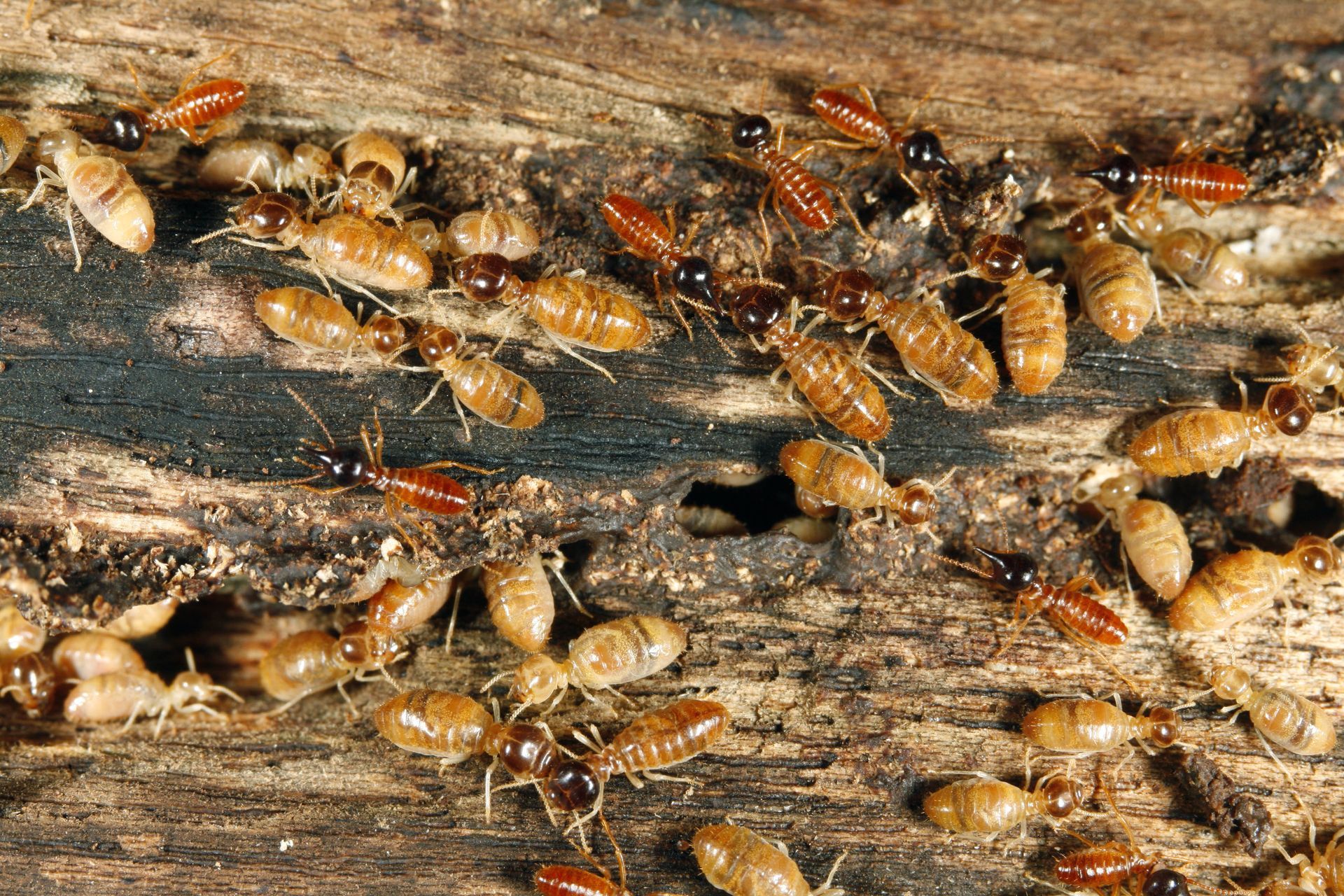
Coastal areas are particularly vulnerable to a variety of pests that exploit humid conditions, including termites, mosquitoes, and various rodent species. These areas see a unique blend of indigenous pests and invasive species, each establishing niches within the coastal ecosystems. Termites, for instance, contribute significantly to damage in residential areas by compromising wooden structures through constant feeding. In mosquitoes, the combination of still waters and humid air promotes explosive population growth, raising both health concerns and annoyance levels for residents. Understanding the specific types of pests prevalent in coastal regions helps tailor pest control solutions to local needs and circumstances.
Statistical Trends in Pest Infestations Over Recent Years
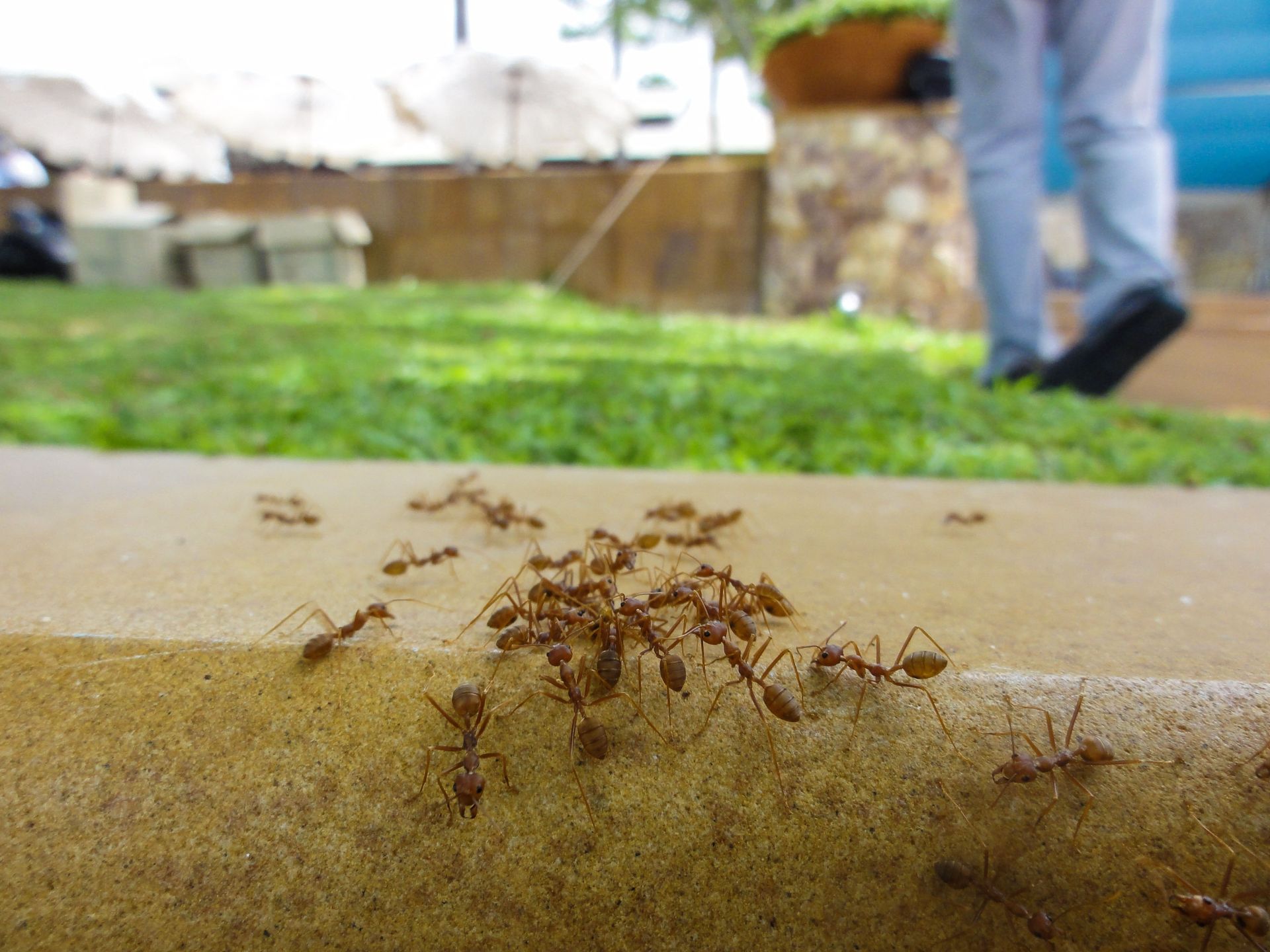
Statistics show a correlation between increased climate-induced humidity and pest infestation rates in various regions. According to PestPac, regional differences largely dictate the types and frequencies of pest infestations in the U.S. In the western part of the country, 44% of residents report encountering pests, with spiders being notably prevalent at 21%. In contrast, the Southeast struggles with ants, cockroaches, and fleas, recording infestation rates of 61%, 36%, and 32%, respectively. These figures indicate an upward trend in pest-related issues, underscoring the pressing need for robust pest control measures tailored to specific regional challenges.
The Role of Pest Control Companies in Mitigating Infestations
Advanced Detection and Monitoring Techniques
Pest control companies implement cutting-edge detection and monitoring techniques to effectively manage infestations in coastal areas. These advanced technologies include infrared detection systems, which allow professionals to locate termite infestations within walls without causing structural harm. Additionally, the use of pheromone traps and digital surveillance enables continuous tracking of pest activity, even in challenging environments. This proactive monitoring helps identify potential infestations before they become unmanageable, allowing for timely interventions. These techniques are crucial in addressing humidity-driven pest problems actively and effectively.
Integrated Pest Management Approaches
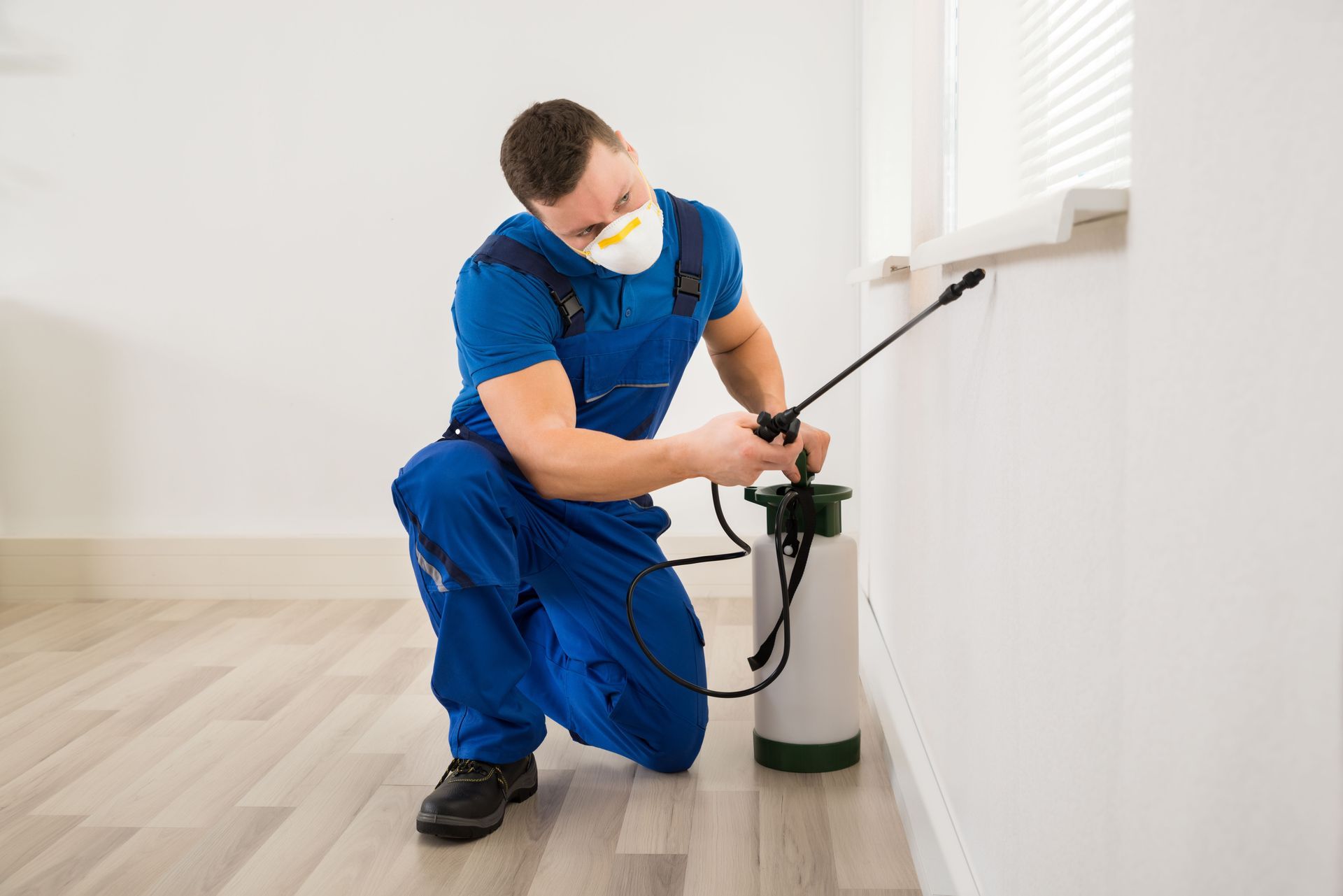
Pest control companies are increasingly adopting Integrated Pest Management (IPM) approaches to tackle infestations comprehensively. IPM focuses on long-term prevention of pests through a combination of biological, physical, and chemical methods. Rather than relying solely on pesticides, it emphasizes ecological balance by incorporating biological control agents that target specific pests. This strategy minimizes environmental impact while maximizing effectiveness against pest populations. IPM is highly adaptable, allowing companies to address unique challenges posed by humid coastal environments, ensuring sustainable pest control solutions.
Collaborations with Environmental Agencies
To enhance their effectiveness, pest control companies often collaborate with environmental agencies dedicated to mitigating climate and pest-related challenges. Such partnerships facilitate knowledge exchange and joint initiatives aimed at conserving environmental integrity while addressing pest issues. These collaborations promote the sharing of resources and innovative ideas, cultivating a unified front against rising pest pressures. Additionally, working alongside environmental experts enables pest control companies to stay informed about regulatory changes and emerging trends. These alliances are vital for implementing holistic pest control strategies in a rapidly changing world.
Challenges Faced by Pest Control Companies
Regulatory and Compliance Hurdles
Pest control companies often navigate a complex landscape of regulatory and compliance requirements, which can impact their ability to respond efficiently to infestations. Environmental regulations govern the use of certain chemicals, requiring companies to balance efficacy with safety and legality. These regulations, while essential for protecting ecosystems, can sometimes hinder the swift deployment of necessary control measures. Staying current with regulatory changes and integrating compliance into operations is essential for maintaining credibility and operational effectiveness. Pest control companies must work closely with regulators to ensure that their strategies align with legal expectations while effectively managing pest challenges.
Balancing Effectiveness with Environmental Impact
One of the key dilemmas for pest control companies is achieving effectiveness while minimizing the environmental impact of their interventions. Pesticides and other control measures can have unintended side effects on non-target species and ecosystems. Companies need to prioritize the development of integrated pest management strategies that incorporate environmentally friendly practices, reducing chemical reliance whenever possible. Achieving this balance represents a significant challenge, requiring continuous research and adaptation to emerging pest behaviors and environmental conditions. Striking this equilibrium is essential for sustaining both coastal environments and effective pest control operations.
Economic Constraints and Budget Limitations
Financial constraints pose a significant challenge for pest control companies, affecting their capacity to develop and implement comprehensive pest management solutions. Budget limitations can restrict access to resources, hindering innovation and responsiveness. Economic pressures also influence the allocation of funds for research, training, and community education initiatives. Companies must navigate these economic constraints, optimizing their resources to deliver impactful solutions while ensuring profitability. Effectively managing these financial challenges requires strategic planning and prioritization, balancing the allocation of resources to maximize impact and sustainability.
The Future of Pest Control in Coastal Areas
Anticipating Future Trends in Climate and Pest Behavior
The future of pest control in coastal areas hinges on anticipating and adapting to evolving climate patterns and pest behaviors. As climate change progresses, increased humidity levels and shifting weather patterns exacerbate pest challenges in these regions. Pest control companies must invest in research and predictive models to stay ahead of these changes and develop proactive strategies. Building resilience against anticipated hurdles allows for the development of focused interventions and continuous refinement of pest control efforts. Understanding and anticipating future trends in climate and pest dynamics is crucial for safeguarding coastal areas and minimizing the impact of infestations.
Managing humidity-driven coastal infestations requires a strategic shift from reactive extermination to proactive, ecologically minded containment. As rising moisture levels fuel explosive local pest populations, professional pest control companies serve as vital lines of defense for vulnerable shoreline communities. By utilizing advanced thermal detection, regional data trends, and Integrated Pest Management (IPM) protocols, these specialists successfully disrupt breeding cycles while carefully minimizing environmental runoff into delicate coastal ecosystems. Ultimately, securing long-term structural safety and public health in these high-moisture zones depends on this sophisticated balance of environmental compliance, adaptive field expertise, and future-focused monitoring. Contact JD Smith Pest Control today to shield your coastal home from humidity-driven pests!

Share On: