Colony Collapse: The Science of Non-Repellent Baits in Modern Pest Control
Ant infestations are among the most persistent and frustrating problems homeowners and businesses face. Unlike many pests that can be managed by targeting visible individuals, ants operate as highly organized colonies that can contain thousands or even millions of members. Their social structure, communication systems, and division of labor make them remarkably resilient against traditional treatment methods. This is why modern pest control strategies have evolved beyond simply killing the ants that are seen crawling across countertops and floors.
Today, non-repellent bait technologies have transformed the way professionals address ant infestations. Rather than scattering colonies and forcing them to relocate, these advanced solutions take advantage of natural ant behavior to eliminate entire populations from within. Understanding how these products work provides valuable insight into why they have become a cornerstone of effective ant management.
Biology
The success of non-repellent baits begins with understanding ant biology. Ant colonies function as complex social systems where each member plays a specific role. Workers forage for food, soldiers defend the nest, and queens focus on reproduction. The survival of the colony depends on constant cooperation and resource sharing among its members.
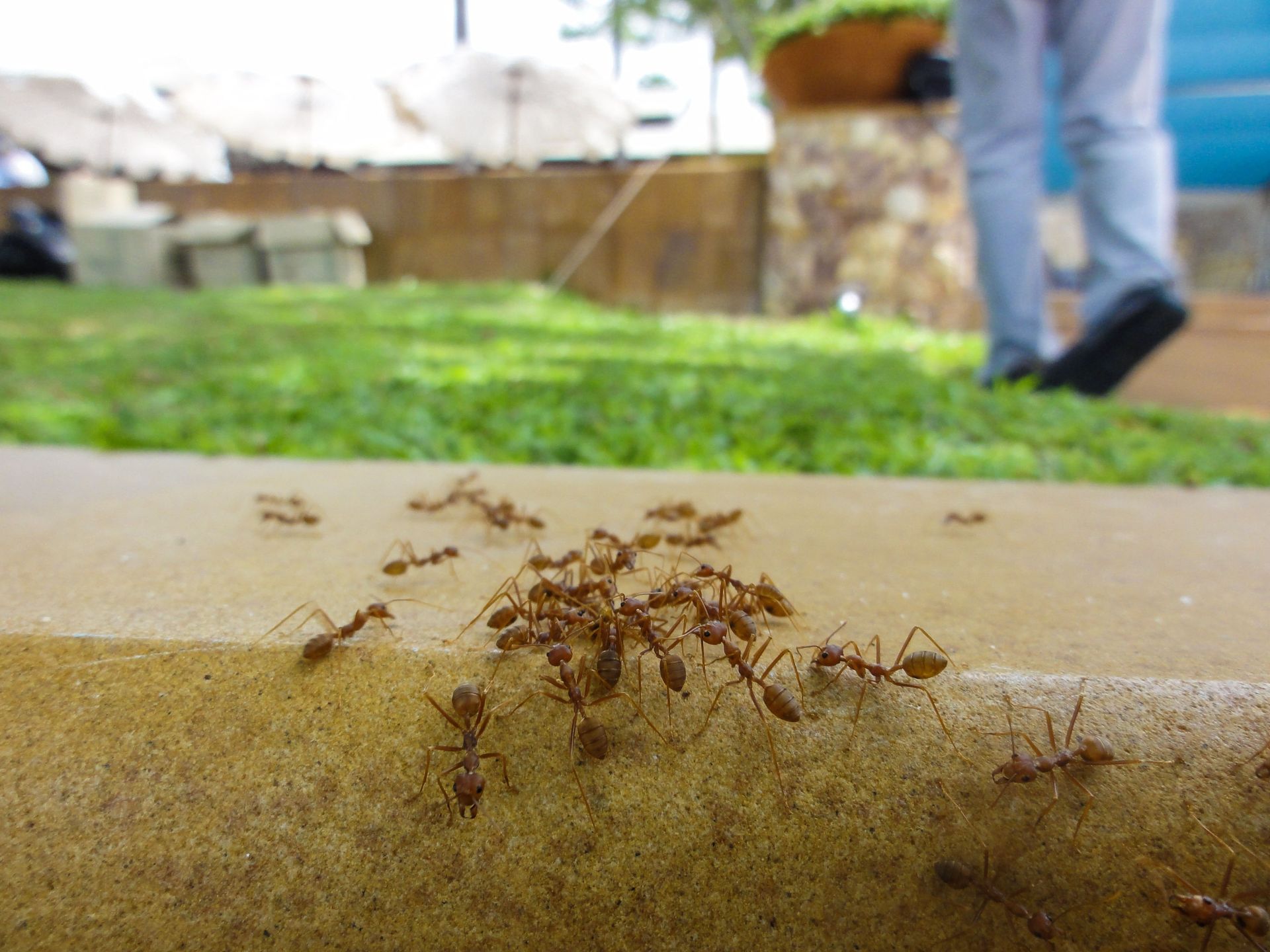
One of the most important behaviors exhibited by ants is trophallaxis, the process of exchanging food and fluids among colony members. When a worker discovers a food source, it consumes part of the material and carries the rest back to the nest. There, the food is distributed throughout the colony, reaching workers, larvae, and reproductive individuals. This natural sharing behavior provides the foundation for modern baiting strategies.
According to PestPac, ants are the most commonly reported household pest in the United States, with approximately 56% of homes experiencing infestations. This widespread prevalence highlights the need for treatment methods that address entire colonies rather than isolated groups of insects. Understanding colony dynamics allows professionals to develop solutions that target the source of the problem instead of only its symptoms.
The structure of ant colonies also contributes to their resilience. Multiple nesting sites, satellite colonies, and interconnected networks can make infestations difficult to eliminate with conventional sprays. When treatments only affect visible ants, the queen and many workers often remain protected deep within the nest. This limitation has driven innovation in pest control methods that focus on colony-wide elimination.
Chemistry
The chemistry behind non-repellent baits is carefully engineered to achieve delayed but effective results. Unlike traditional contact insecticides that kill immediately, bait formulations are designed to remain undetected by foraging ants. The active ingredients are incorporated into attractive food sources that ants willingly consume and transport back to the colony.
Because the bait does not repel ants, workers continue feeding without recognizing the threat. This is a crucial advantage because it allows the toxicant to spread through trophallaxis before symptoms appear. If ants were killed too quickly, the distribution process would be interrupted, reducing the treatment's overall effectiveness.
Modern bait formulations often contain slow-acting active ingredients that interfere with essential biological functions. Some affect metabolism, while others disrupt growth or nervous system activity. The delayed action ensures that foraging workers have enough time to share the bait throughout the colony before dying.
Researchers continually refine bait chemistry to improve palatability and effectiveness. Different ant species prefer different food sources, including proteins, sugars, oils, or combinations of nutrients. Successful pest control programs frequently rely on selecting bait formulations that match the dietary preferences of the target species, increasing acceptance and consumption rates.
Transmission
The true power of non-repellent baits lies in transmission throughout the colony. Once a worker ant consumes bait, it effectively becomes a delivery vehicle that carries the active ingredient back to the nest. The worker interacts with numerous colony members, sharing food and inadvertently spreading the toxicant to others.
As more ants receive the bait, a cascading effect begins. Larvae consume contaminated food provided by workers, while queens receive nourishment indirectly through the colony's food-sharing network. This broad distribution creates the opportunity to affect individuals that would otherwise remain inaccessible to surface treatments.
One of the major advantages of this process is its ability to target hidden colonies. Ant nests are frequently located behind walls, beneath foundations, inside landscaping features, or in other difficult-to-reach areas. Traditional treatments may struggle to reach these locations, but bait-carrying workers transport the active ingredient directly into the heart of the colony.
Professional pest control providers often monitor bait activity over time to evaluate colony response. Increased feeding activity may initially indicate successful bait acceptance rather than treatment failure. As the toxicant spreads, worker populations gradually decline, eventually leading to significant colony suppression or elimination.
Environmental factors can also influence bait transmission. Temperature, moisture levels, competing food sources, and colony size all affect foraging behavior. Experienced technicians understand how to account for these variables when designing effective treatment plans. This scientific approach helps maximize the performance of baiting systems while minimizing unnecessary pesticide use.
Advantages
The advantages of non-repellent bait technology extend beyond colony elimination. One significant benefit is reduced disruption to ant behavior. Repellent products often cause ants to avoid treated areas, potentially splitting colonies into multiple groups or driving them into new locations. Non-repellent baits avoid this issue by encouraging normal foraging activity.
Another important advantage is targeted application. Rather than treating large areas indiscriminately, technicians can strategically place bait where ants are actively feeding. This precision helps reduce overall chemical exposure while improving treatment efficiency. For many property owners, this targeted approach aligns with broader goals of responsible pest management.
Long-term effectiveness is another reason non-repellent baits have become a preferred solution. Because the treatment addresses the colony itself, results often last longer than methods that only kill visible insects. By eliminating queens and disrupting reproduction, bait systems help reduce the likelihood of rapid reinfestation.
The flexibility of bait technology also supports integrated pest management programs. Successful pest control often combines sanitation improvements, exclusion techniques, habitat modification, and targeted treatments. Non-repellent baits fit seamlessly into these strategies, providing a highly effective tool within a comprehensive management plan.
Advancements in research continue to improve bait performance. Scientists are developing new attractants, active ingredients, and delivery systems that enhance colony acceptance and distribution. As understanding of ant behavior grows, professionals gain additional tools for addressing increasingly complex infestations.
The development of non-repellent baits represents one of the most significant advances in modern ant management. By leveraging natural colony behaviors such as foraging and food sharing, these products provide a sophisticated solution that targets infestations at their source. Instead of focusing on individual insects, today's pest control strategies aim to collapse entire colonies through carefully designed scientific principles.
As research continues to improve bait technologies, property owners can expect even more effective and environmentally conscious solutions in the future. Understanding the science behind colony elimination demonstrates why non-repellent baits remain a trusted tool for managing ant infestations in residential and commercial environments alike. Effective
pest control is no longer just about immediate results—it is about addressing the root cause of the problem for lasting protection.
At JD Smith Termite & Pest Control, we understand the science behind effective ant management and use proven solutions designed to eliminate colonies at their source. We take pride in providing customized treatments that address each property's unique pest challenges. Contact us today to learn how we can help protect your home or business with professional, results-driven service.


Share On: