Questions to Ask Your Local Pest Control Company
Choosing the right pest control provider is crucial for the safety and comfort of your home. Understanding what to ask a potential service provider helps you make an informed decision. This article guides you through essential questions to pose when engaging with a local pest control company. These queries cover everything from experience and methods to safety practices and service terms, providing a comprehensive approach to selecting a service for your needs. Thoroughly vetting these providers can prevent future infestations and safeguard your home environment in the United States.
Researching Experience and Qualifications
When selecting a local pest control company, one of the first questions should focus on their certification and licensing status. Proper certification signifies that the company meets industry standards and that technicians are trained in pest management. You can check with your local environmental or agricultural agency to verify credentials.
Make sure they adhere to state regulations and hold the appropriate licenses to operate within your jurisdiction. This step reflects the company’s professionalism and legal standing.
Inquiring About Historical Track Records
Understanding a provider’s track record is vital in assessing reliability and effectiveness. Ask for examples of past successes with similar pest issues. A company with a proven history assures that it can handle your situation. They should be able to share testimonials or references from satisfied clients. This history gives you confidence in their ability to deliver results.
Understanding Geographic Service Areas
Confirming that a provider services your specific area is a practical step. Some companies may have reached limitations due to licensing or logistical reasons. By verifying coverage, you receive timely interventions and local expertise. Additionally, a local pest control company often has insights into common regional pest issues and effective treatment strategies. This localized knowledge is an asset in efficiently tackling your problem.
Evaluating Target Pests
Different pests require distinct treatment approaches. It is essential to know which issues a company can prevent. Some may focus on general insects, while others work with termites, rodents, or bed bugs. Checking their focus helps in determining if their expertise aligns with your needs. A focused approach often leads to more effective and quicker solutions.
Reviewing Years in Business
The longevity of a service provider can be an indicator of stability and customer satisfaction. Companies that have been in business for several years typically have a wealth of experience and established procedures. Their longevity suggests they have successfully navigated various market and operational challenges. A well-established company may also have more resources and advanced technology at its disposal.
Evaluating Pest Control Methods
Pest control methods vary significantly, ranging from chemical treatments to natural alternatives. It is crucial to understand which methods the company prefers. Chemical applications can be effective but may come with environmental or health risks.
Alternatively, non-chemical approaches like traps or biological controls offer sustainable solutions. Discussing these methods provides alignment with your preferences regarding pest management.
Exploring Eco-Friendly Treatment Options
Homeowners might prioritize green strategies. Ask about eco-friendly options like organic treatments or Integrated Pest Management (IPM). These methods focus on long-term prevention and use natural pesticides when necessary. Understanding their availability allows you to choose methods that minimize environmental impact.
Learning About Inspection and Monitoring Approaches
An effective strategy begins with thorough inspection and ongoing monitoring. Inquire about the company’s approach to these critical first steps. Robust inspection procedures identify the precise nature and extent of an infestation. Meanwhile, continuous monitoring maintains that the treatment plan adapts to changing circumstances or pest behaviors.
Understanding the Use of Technology
The industry continues to evolve with technological advancements. Some companies incorporate devices for monitoring pests or deploying treatments more efficiently. Understanding their use of technology, such as digital tracking systems or automated devices, can reveal their commitment to modern solutions. Technology improves accuracy and efficiency in treating infestation problems.
Evaluating Emergency Intervention Strategies
Pest issues can sometimes escalate quickly. Provide that the local pest control company can respond swiftly to urgent situations, such as severe infestations or health threats. Ask about their emergency response protocols and availability of urgent services. Having a provider with efficient emergency strategies offers peace of mind.
Analyzing the Pricing Structure
Getting a comprehensive estimate helps clarify what services you will receive and their costs. Make sure this estimate is itemized, so you understand all aspects of the agreement. Attention to detail protects you from unexpected charges later. Discussing the estimate allows you to budget accordingly and choose services based on value.
Clarifying Frequency and Costs
Pest control might require multiple visits or ongoing treatments. Clarifying the frequency of treatments helps you understand the intensity of the management plan. Knowing the cost structure upfront prevents unpleasant surprises with billing. This clarity allows you to compare different companies and choose the one that aligns with your financial considerations.
Checking for Hidden Fees
Hidden fees can turn an affordable service into an unexpectedly high expense. Directly ask whether any additional charges apply beyond the quoted price. Examples can include emergency call-out fees or charges for arduous tasks. Transparency in billing is a key indicator of a company's integrity.
Comparing Costs with Competitors
As you evaluate different options, comparing pricing structures can be insightful. A price comparison highlights discrepancies or confirms the reasonableness of a quote. According to IBISWorld, there are approximately 33,122 businesses operating in the pest control industry in the U.S., which highlights the competitive nature of the market. With such diversity, reviewing multiple quotes helps you find value for your investment.
Validating Safety and Health Measures
The safety of your family and pets is a top priority. Professional companies should implement protocols to minimize risks associated with their procedures. Confirm they take appropriate steps to make certain that substances used are safe or that areas are treated without jeopardizing household members. Clear guidance on precautions is a hallmark of a responsible company.
Assessing Personal Protective Equipment (PPE)
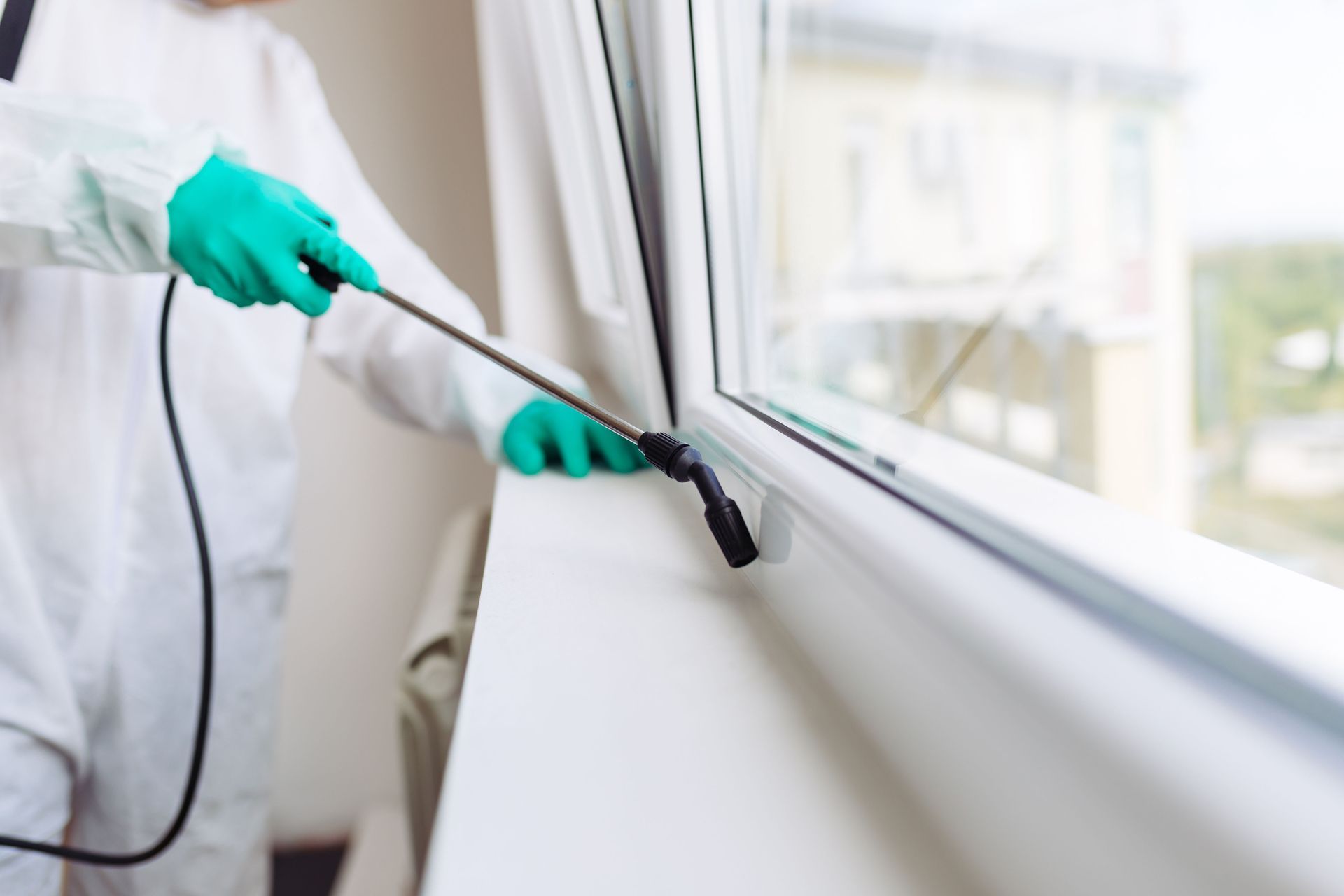
Safe practices extend to the technicians performing the work. Inquire about the company’s use of PPE to safeguard employees. The use of PPE highlights a commitment to health and safety standards. It also demonstrates professionalism and dedication to safe work environments.
Reviewing Environmental Impact
Considering the environmental impact is essential today. Companies may implement procedures to reduce negative effects, such as using environmentally friendly products or minimizing waste. Understanding these practices allows you to select a company that aligns with your environmental ethos.
Checking Compliance With Regulations
Compliance with health regulations is fundamental to safe and legal practices. Verify that the company is well-versed in local, state, and federal regulations. Compliance indicates not only the legality but also the reliability of the services. This protects you by adopting practices that adhere to public safety laws.
Exploring Warranty Options
Warranty options provide additional security regarding the efficacy of services. Warranties can vary and may cover different aspects of service or duration. Identifying these options allows you to evaluate their suitability. Comprehensive warranties can signal a company’s confidence in its work.
Assessing Follow-Up and Maintenance
Effective control often requires follow-up visits so that problems do not recur. Understanding how a company structures these services highlights its commitment to comprehensive solutions. Discuss the scope of follow-up services, including frequency and cost implications.
The decision to engage a local pest control company is about more than just solving an immediate problem; it is about choosing a partner for long-term protection. By asking the right questions, you can rest assured that the service you receive is experienced, safe, and effective. A reputable company will welcome your inquiries and provide clear answers to help you make the right choice for your family.
If you are looking for a team that prioritizes safety and professional results, contact JD Smith Termite & Pest Control today. As a leading local pest control company, we are ready to answer your questions and provide a customized plan to keep your property protected year-round.


Share On: